
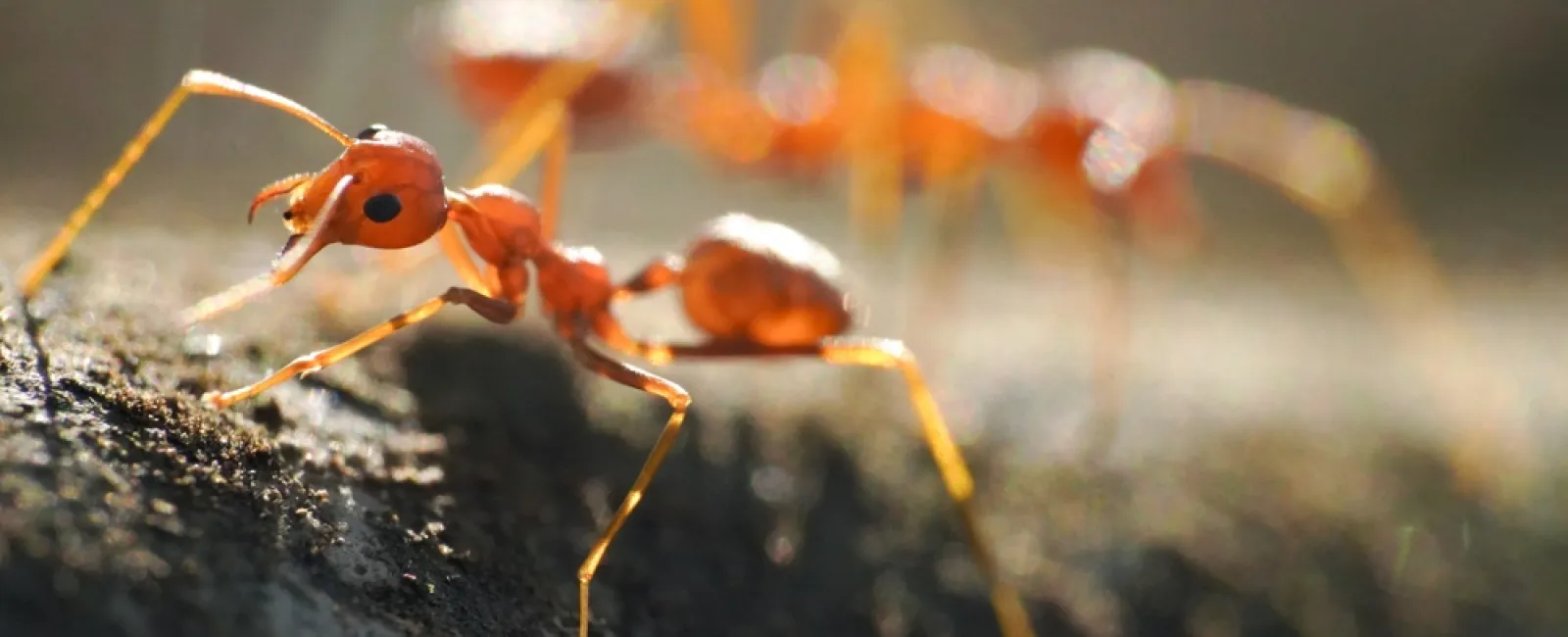
You walked into the kitchen and found a thin black line of ants marching across the counter, and now you're here.
We handle ant infestations with thorough inspection, correction, and protection. But before you remove your ant problem and request an inspection, there are other things you need to know.
Here's our full guide to get you started!
Expert Ant Control Services for Homeowners and Businesses
Our ant control services come in one-time treatment and year-round protection plans. Both plans cover perimeter work, indoor spot treatment, and reservice if needed.
We protect homes and businesses with high-quality ant control in Snohomish and the surrounding areas. Our trained technicians apply products with kids and pets in mind. If ants come back, so do we.
Recognizing an Ant Infestation
a bigger problem. A line of worker ants moving in two directions means there's an active ant colony that has found a food source.
Watch for trails along baseboards, dirt piles near foundations, and crumbs gone overnight. Kitchens and pet food bowls are usual hotspots. Hollow-sounding wood points to carpenter ants.
Identifying Ant Trails and Entry Points
Photograph ant trails so your technician can identify ants by size and movement. Trace the line backward toward a wall, vent, or appliance gap. Ants can squeeze through cracks thinner than a credit card.
Ant Species Breakdown
Proper identification matters because the wrong treatment makes things worse. Spraying a multi-queen species scatters the colony into satellite nests, creating three problems instead of one.
Technicians check body size, antennae, and where the ants forage. Most ant activity you see is done by workers; queen ants and male ants stay hidden until mating flights.
Common Ant Species
- Carpenter ants chew damp wood to create shelter. Left alone, they can cause real structural damage. Here's how to tell them apart from termites.
- Fire ants build mounds in soil and deliver painful stings when disturbed. Their bite welts fast.
- Odorous house ants smell like rotten coconut when crushed. Persistent and with multiple queens, this ant species is harder to eliminate.
- Pharaoh ants have multiple queens and split into new colonies when stressed, so spraying them backfires and spreads the infestation.
How to Get Rid of Ants: Treatment Options
Three tools, three jobs.
- Ant bait gets carried back to feed larvae, pupae, and queens, wiping out the entire colony, not just the workers.
- Perimeter treatments stop entry.
- Spot sprays handle visible insects.
Indoor baits suit kitchens. Outdoor baits work near nests.
Ant Bait Techniques and Best Practices
Place ant bait stations on active trails. Rotate the bait every few weeks as the weather changes. Don't mix bait with contact sprays. The repellent will kill the messengers before they reach the colony.
Specialist Approaches for Carpenter Ants and Fire Ants
If you're dealing with carpenter ants, you'll need to inspect your structure. Look for damp wood, eaves, and trees touching the house.
Fire ants need direct hill treatment, then perimeter follow-up. Both should be rechecked after two weeks.
DIY Measures to Help Get Rid of Ants Before Service
A few helpful tips:
- Seal food in hard containers, including pet food.
- Fix leaks and dry up standing water, since ants are drawn to moisture.
- Wipe trails with soap and water to erase pheromones.
- Seal entry points to keep your home protected.
DIY methods buy time, but they rarely finish the job.
Ant Control Services: Inspect, Correct, Protect
At Guard Pest Control, every ant job follows our Inspect, Correct, Protect process. One of our trained technicians inspects your property inside and out, traces the trails back to their entry points, and identifies the exact species you're dealing with. From there, we correct the problem with targeted treatments that reach the whole colony, including the queens you never see. Then we protect your home with prevention and follow-up so the ants don't return.
And if they do turn up between visits during your plan, so do we. It's all backed by our "Pest Problems Solved, Or We Hire the Competition" guarantee.
Preventing Future Ant Infestations
The best ant control doesn't stop at the colony you have today. It keeps the next one from ever moving in, which is the idea behind integrated pest management (IPM), a prevention-first approach that removes the conditions pests rely on. A few habits make your home far less inviting:
- Trim plants and tree branches away from the house, since ants use them as bridges indoors.
- Pull mulch back from the foundation to reduce the moisture and shelter ants look for.
- Seal the cracks and gaps where trails lead inside.
Pair those habits with quarterly service to stay ahead of seasonal pressure from ants and other Washington pests, like stink bugs in the fall.
Ant Control FAQs
How fast will I see ant control results? Ant bait typically reduces activity within a week and can eliminate the colony in two to three weeks.
Is ant control safe for kids and pets? Yes. At Guard, our ant control is family- and pet-conscious, applied with your household in mind. Just keep everyone off treated surfaces until they've dried.
When should I schedule another ant control visit? For most homes, quarterly service is the sweet spot and keeps protection active through every season. Beyond that, reach out any time ant activity comes back; if you're still within your plan's guarantee period, the reservice is covered.
Guard Your Home Against Ants
You don't have to share your kitchen with an ant colony. Guard Pest Control has protected Washington families since 2013, and our Inspect, Correct, Protect process finds the source of the problem and treats it at the root. Every plan is backed by our satisfaction guarantee, so if the ants return, so do we.
Ready to get rid of ants for good? Let us be your shield against pests.