

Multi-Unit Housing Pest Control
As a family-run company with over ten years of community commitment, we prioritize protecting your home.
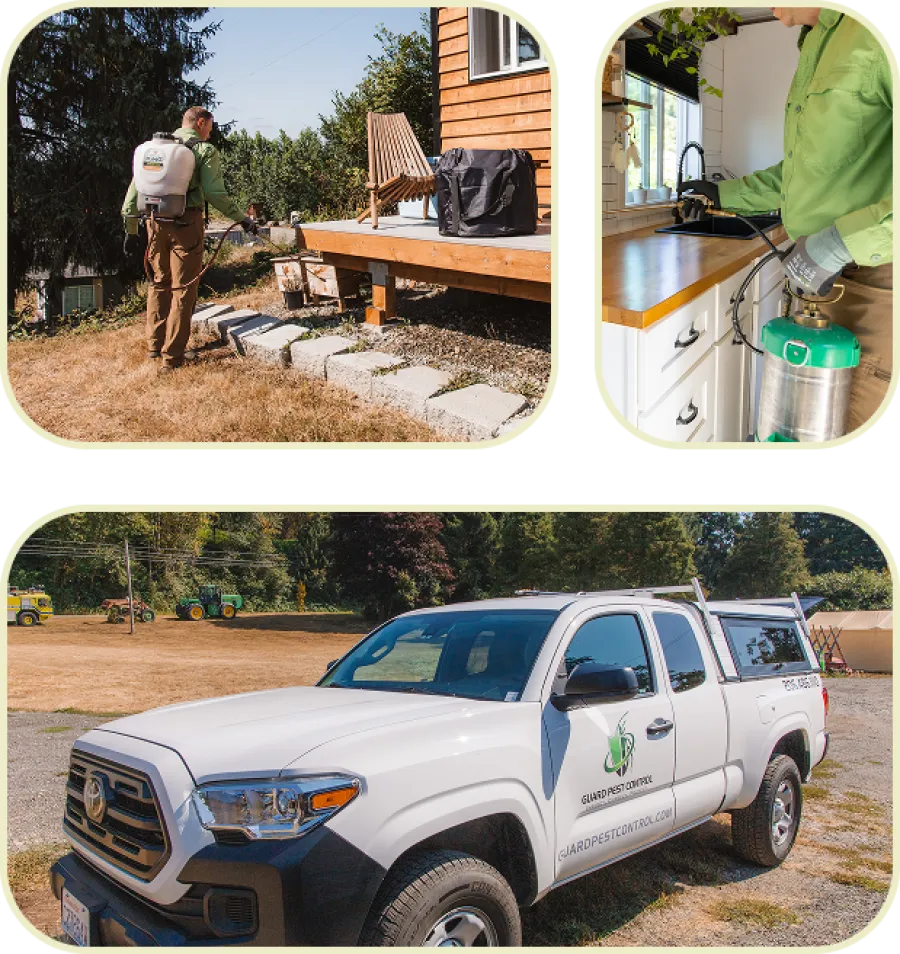
Multi-Unit Housing Pest Control
Protecting Residents From Pest Issues
A pest infestation in multi-unit housing can be worse than in a single home due to close unit proximity, allowing pests to spread quickly and disrupt all residents. As property manager, you're responsible for resolving these issues promptly.
Reach out to Guard Pest Control for reliable pest management plans that effectively keep pests away for good!
Multi-Unit Housing Pest Control FAQs
What types of pests are most common in multi-unit housing?
Common pests include bed bugs, rodents (rats and mice), cockroaches, ants, and termites. Close living spaces enable rapid infestation spread.
How can I tell if my unit has a pest infestation?
Signs include droppings, shed skins, gnaw marks, unusual odors, bites, or nighttime noises indicating pests.
How can residents help prevent pests?
Residents can help by keeping their units clean, sealing food containers, disposing of trash properly, and promptly reporting pest signs.
How often should pest treatments occur in multi-unit housing?
Regular inspections and treatments, especially in high-risk areas, are advised. An IPM plan can guide the schedule based on activity and conditions.
What should I do if I suspect a pest issue?
Contact property management or pest control immediately to arrange an inspection. Early action leads to better pest management.
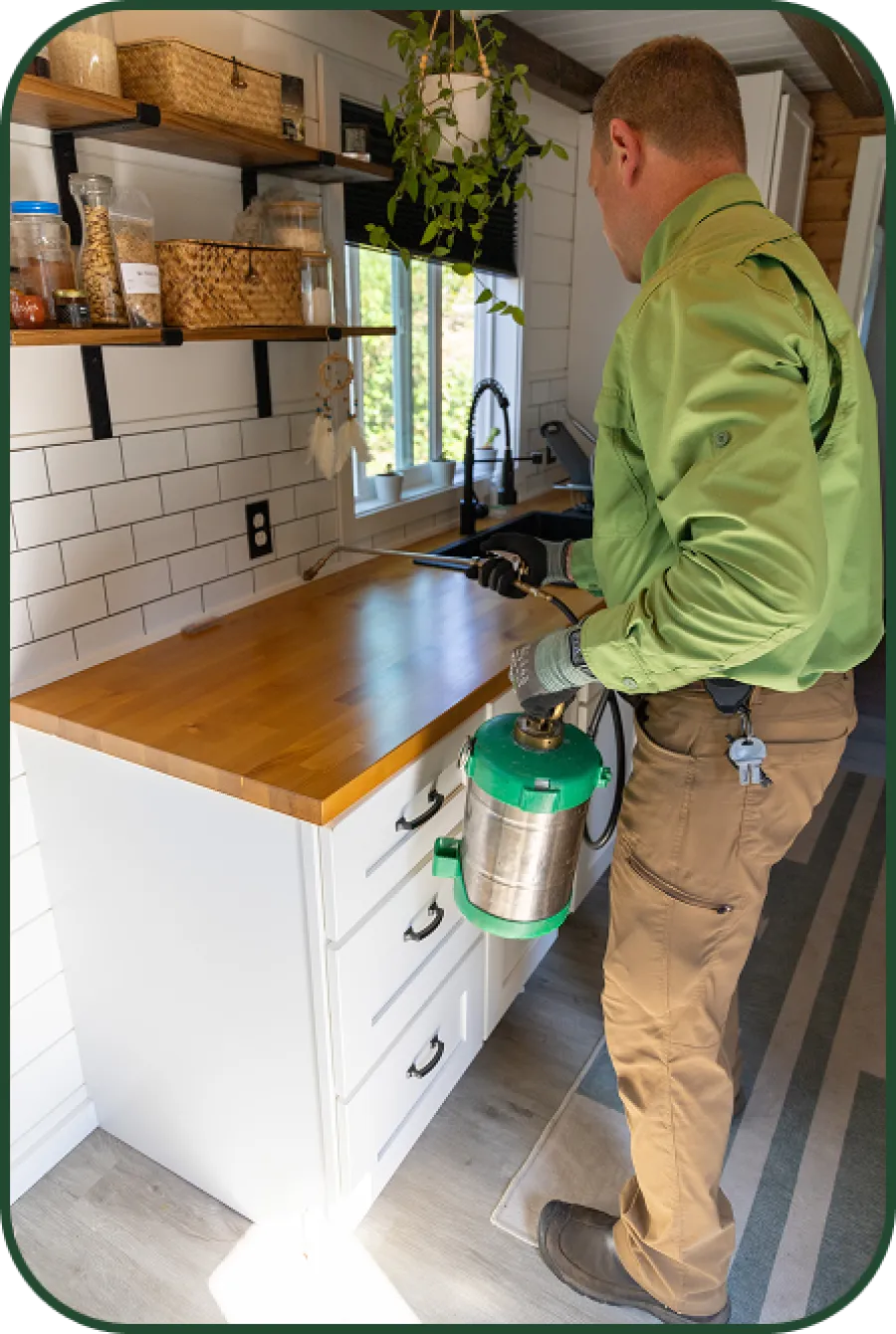
Our Multi-Unit Housing Pest Control Process
As a property owner, protecting your multi-unit housing investment means partnering with Guard Pest Control. We handle unique challenges pests present and tailor solutions to eliminate current infestations while preventing future issues.
Our treatments target common pests like bed bugs and offer rodent removal and exclusion. Our technicians inspect your property thoroughly and apply proven treatments to eradicate pests.
Afterward, we collaborate with management to implement a comprehensive IPM preventive plan and offer training to staff and residents to minimize pest risks.
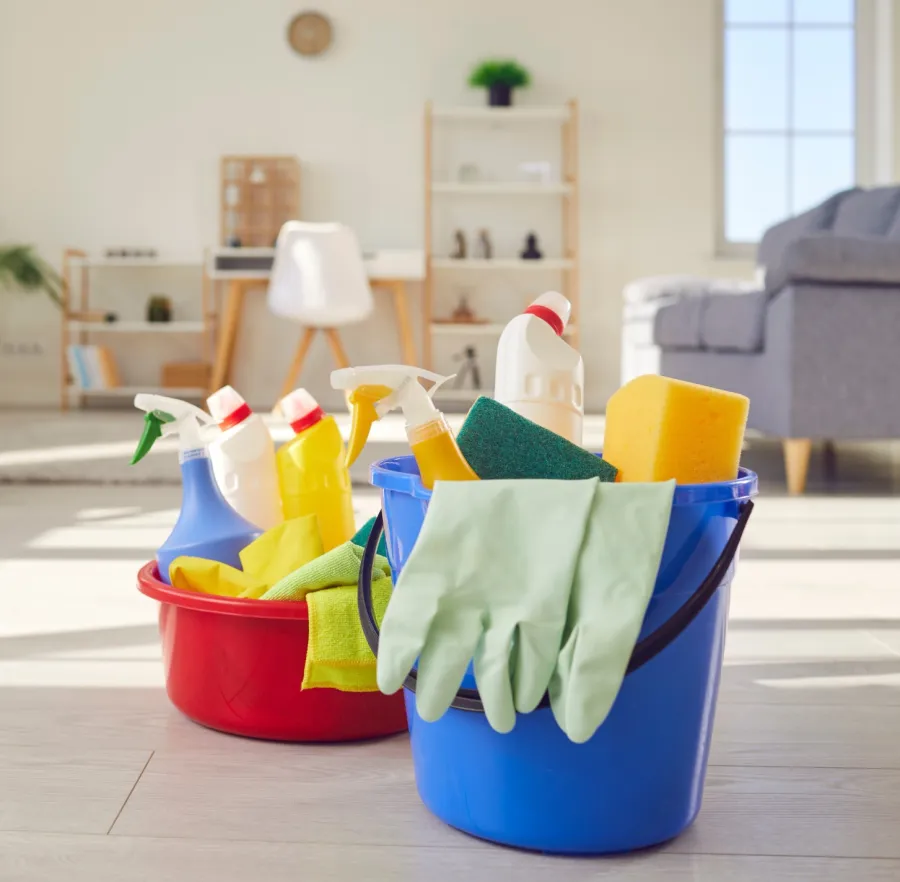
Tips to Prevent Pests in Your Apartment
Pest prevention in multi-unit housing requires teamwork. An infestation in one unit can quickly spread. Reduce risks with these tips:
- Regular Garbage Disposal: Ensure tenants use sealed bins and dispose of trash weekly.
- Cleanliness: Encourage wiping kitchen surfaces and sweeping floors regularly.
- Weekly Vacuuming: Recommend vacuuming of common areas and units weekly.
- Pet Hygiene: Keep pet bowls clean and promptly clean spills.
- Food Storage: Store pantry and pet food in sealed containers.
- Moisture Management: Fix leaks and check under sinks regularly.
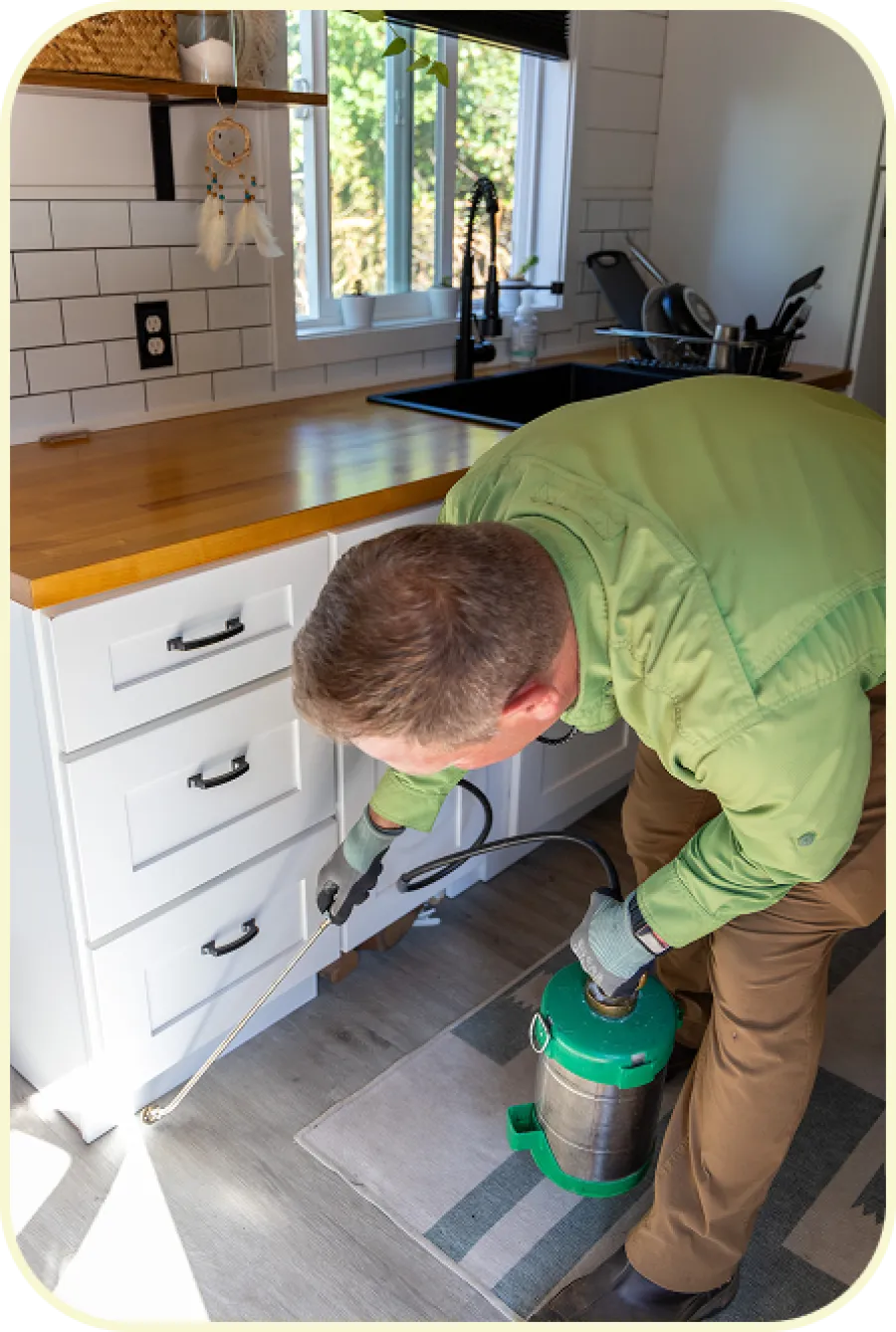
Understanding Integrated Pest Management (IPM)
Integrated Pest Management (IPM) combines prevention, monitoring, and management for effective pest control that protects health and the environment. Key IPM steps for multi-unit housing include:
- Inspection: Conduct regular checks and involve staff and residents to detect pests early.
- Exclusion: Seal entry points and maintain the building to block pest access.
- Cultural Controls: Maintain clean areas, manage waste properly, and trim landscaping to reduce pest harborage.
- Monitoring: Use traps and visual checks to track pest activity and inform control measures.
- Treatment: Apply the safest and most effective methods, prioritizing non-chemical options when feasible.
Adopting IPM helps maintain a pest-free, safe environment for residents. Trust Guard Pest Control to support you in implementing these strategies.
Despite best efforts, infestations can still occur in multi-unit complexes due to many residents and available food, water, and shelter.
Contact Guard Pest Control for expert pest elimination and prevention. Learn about our residential and commercial pest programs.


