
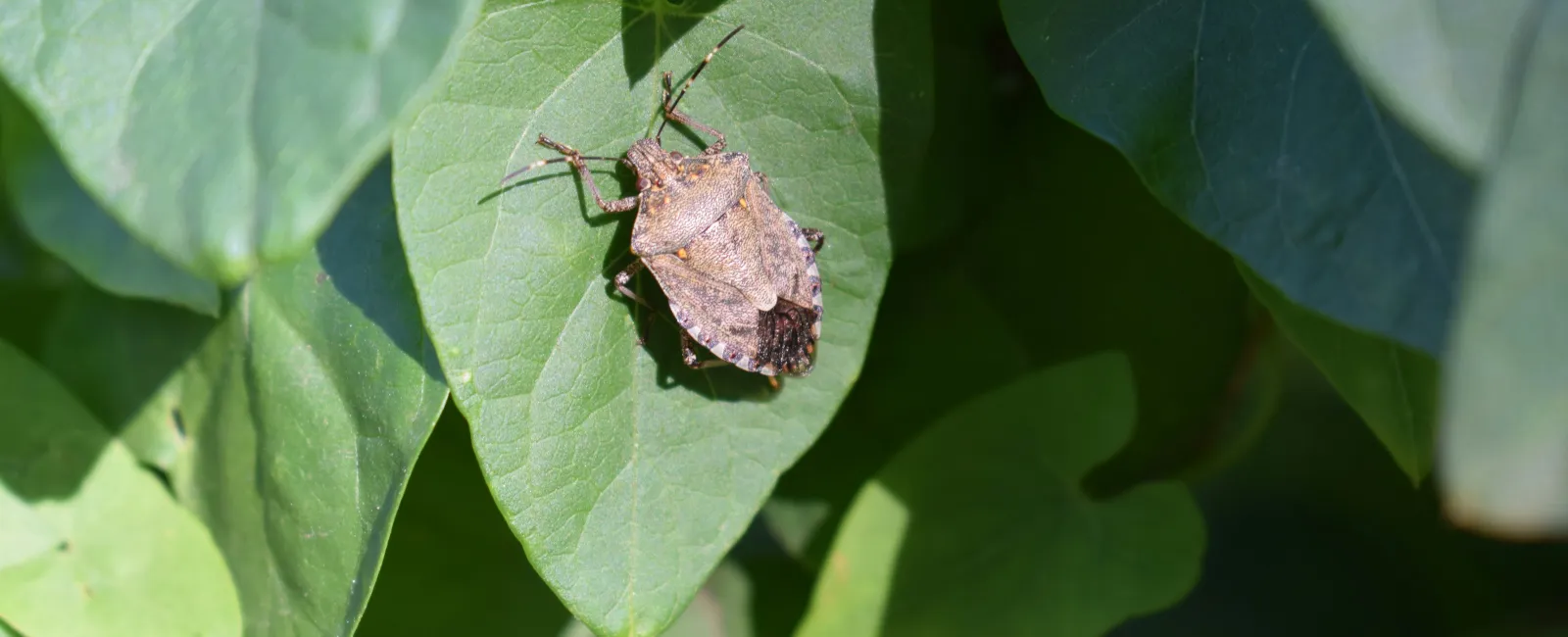
Why You're Seeing Stink Bugs in Fall and How to Keep Them Out of Your Home
As temperatures drop in early autumn, many homeowners start to notice stink bugs—often gathering on sunny walls, crawling around windows, and sometimes making their way indoors.
Although stink bugs don't cause structural damage, they emit a foul odor when disturbed and can be a headache to manage without the right prevention strategies. Below, we explain why stink bugs invade homes, what attracts them, and the steps you can take to prevent these pests from settling in.
Why Stink Bugs Invade Homes in the Fall
During the summer, adult stink bugs feed on plants, crops, and agricultural fields, which is why they are considered serious agricultural pests across the Mid-Atlantic states, West Virginia, and now the Pacific Northwest. But once fall arrives, these insects begin seeking shelter.
Here's what draws them to your home:
1. Cooling Weather
The moment temperatures drop, stink bugs begin their overwintering behavior. This instinct pushes them toward warm structures as they seek shelter from the cold.
2. Light
Stink bugs are strongly attracted to light, especially around porch lights, outdoor lighting, and even indoor lighting that shines through windows. Switching to yellow bulbs can help reduce attraction.
3. Easy Access Points
Small cracks, crevices, holes, damaged screens, attic vents, roof vents, and unsealed door frames provide stink bugs with easy access into your home. Even the smallest entry points can allow stink bugs to slip inside.
What Kind of Stink Bugs Are You Seeing?
While Washington has other stink bugs, the most common species invading homes is the brown marmorated stink bug. This insect becomes a significant nuisance in the fall as it prepares to overwinter.
Understanding their life cycle helps explain their behavior:
Spring: Adults emerge in early spring and begin feeding.
Summer: They reproduce, and other pests and predators help keep populations in check.
Fall: Newly formed adults begin migrating toward homes to overwinter.
Winter: They remain dormant inside walls, attics, or other protected spaces.
How to Prevent a Stink Bug Infestation
If you want the best advice for controlling stink bugs, think about your home through the lens of pest proofing. Here's what you can do:
1. Seal Entry Points
Use sealants, door sweeps, and caulk to seal gaps. Make sure:
Screens are repaired
Windows and door frames are tight
Attic vents and roof vents are screened
Crevices around utility lines are sealed
This is one of the most effective ways to prevent an infestation.
2. Reduce Attractants
Replace bright bulbs with yellow bulbs
Limit outdoor lighting when possible
Properly landscape by trimming trees and bushes away from the home
3. Eliminate Food and Moisture Sources
Eliminate food sources around the foundation
Reduce moisture sites close to the home
Clean up fallen fruit, leaves, and debris
4. Avoid Touching Stink Bugs
Crushing them releases a strong odor. Instead:
Collect them with a vacuum (use a disposable bag)
Use soapy water to kill stink bugs safely
Consider using a trap
5. When DIY Isn't Enough—Call a Professional
Because stink bugs gather in large numbers and hide deep within walls, the most effective way to get rid of them is to hire a professional pest control service. At Guard Pest Control, we identify entry points, inspect for other pests, and implement proper stink bug control to keep your home protected year-round.
Choose Guard Pest Control
Since 2013, Guard Pest Control has been helping Washington homeowners get rid of pests of all kinds—stink bugs included. Our inspect, correct, protect model ensures long-term prevention, not just temporary fixes. We take the time to inspect your home, sealing easy access points, and preventing future overwintering pests from returning. If you're dealing with stink bugs, insects, or any other pest, we can help you get your home back.