
The Hidden Dangers of Rodent Damage During Winter
Winter. It's a time when you feel safe from pests—the ants have long since disappeared, the wasps have abandoned their nests, and the mosquitoes are nowhere to be found.
But while the disappearance of more obvious pests might give you hope, pest control isn't so simple. During winter, rodents quietly move into attics, crawl spaces, and wall voids to escape the cold. So by the time warmer weather arrives, and all the pests that come with it, a lot of homeowners are shocked to discover just how much rodent damage their home has sustained due to these sneaky pests.
Here are the four most common (and costly) types of rodent damage that often go unnoticed:
1. Damaged and Contaminated Insulation
One of the first things rodents target is insulation. Attics and crawl spaces provide warmth, shelter, and easy access to nesting materials.
Rodents:
Shred fiberglass insulation to build nests
Leave behind rodent droppings
Saturate insulation with urine, waste, and dander
This leads to:
Contaminated insulation
Shredded insulation
Damaged or compromised insulation
Reduced effectiveness
Once insulation is contaminated, it must be removed and replaced completely. Beyond odor and cleanliness issues, damaged insulation directly impacts your home's energy efficiency, which can result in higher energy bills and reduced home energy efficiency.
2. Chewed Electrical Wires and Fire Risks
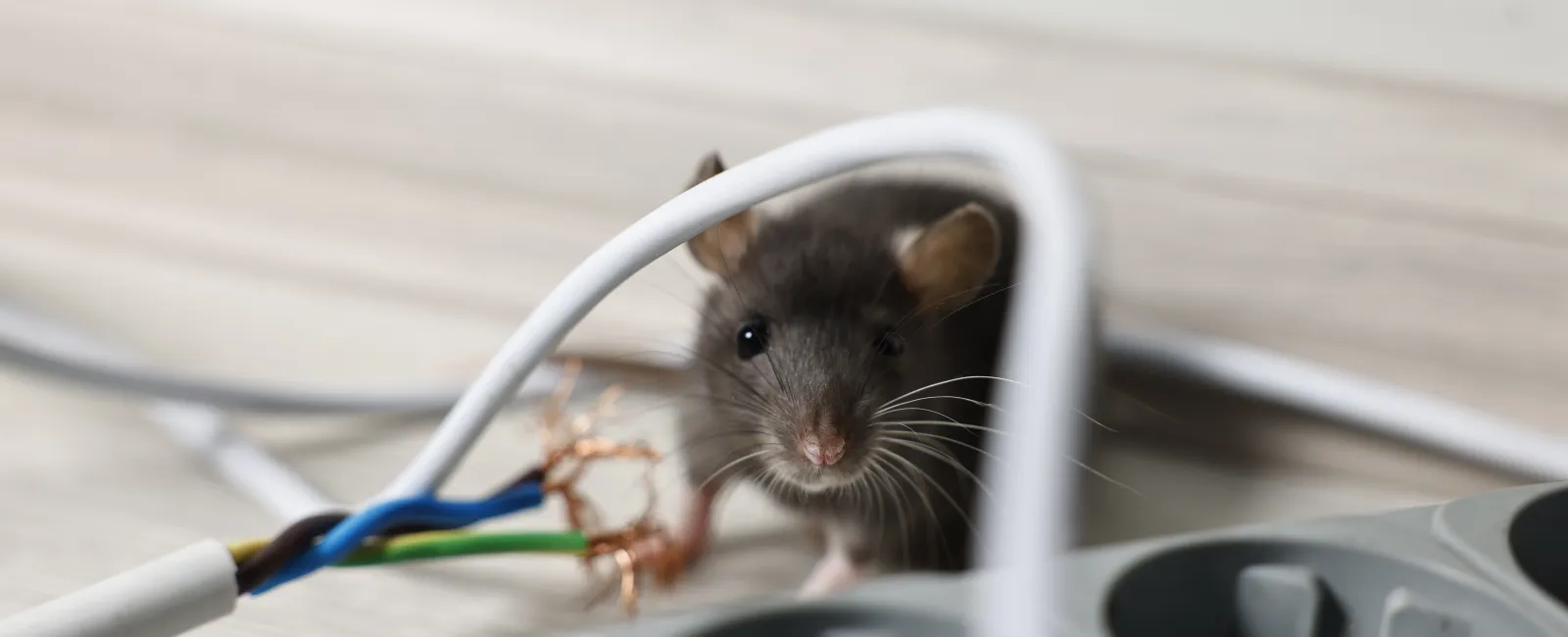
Rodents have sharp teeth that never stop growing, which means they constantly gnaw on hard surfaces. And, unfortunately, electrical wires are a common target.
Hidden behind walls or in attic spaces, rodents can:
Strip protective coatings from wiring
Create exposed conductors
Increase the risk of electrical fires
Because this damage is hidden, homeowners often don't realize the danger until it becomes a serious safety issue.
3. Health Risks From Rodent Waste
Rodents don't just damage your home; they pose significant health risks. As rodents move through attic spaces, crawl spaces, air ducts, and wall voids, they:
Spread harmful bacteria
Leave behind rodent droppings and rodent urine
Spread contaminants into living spaces
This exposure creates real health hazards and health risks, including:
Disease transmission
Allergens that can trigger allergies
4. Structural Damage Inside Walls and Crawl Spaces
While insulation and wiring get most of the attention, rodents can also cause structural damage to your home. Rats and mice may:
Chew through building materials
Damage plumbing systems
Weaken wood framing
Because rodents are active in hidden areas, you may only notice problems once the flooring sags, pipes leak, or moisture issues appear, which is the last thing you want.
Common Signs of Hidden Rodent Activity
If you suspect rodents have invaded your home during the winter, watch for these common signs:
Chew marks or gnaw marks
Sounds in walls or ceilings
Droppings near food sources
Torn or destroyed insulation
Persistent odors
Rodent activity rarely stays isolated. Left untreated, rodents spread, reproduce, and continue damaging insulation materials, air ducts, and other closed-off areas.
Why Professional Rodent Control Matters in Snohomish
A qualified pest control company can identify hidden damage that you might miss. Professional rodent control goes beyond traps and bait stations by addressing:
Active rodent activity
Cleanup of contaminated areas
Exclusion and prevention
Effective pest control doesn't just solve today's problem; it protects your home from long-term damage and reduces the risk of repeat infestations.
Don't Let Hidden Dangers Linger
Rodents are experts at staying out of sight, but the hidden dangers they leave behind can affect your home's safety, comfort, and efficiency long after winter ends.
If you've noticed rising energy bills, unusual smells, or signs of rodents in your attic or crawl spaces, it's time for a professional rodent inspection. Contact Guard Pest Control today so that you can eliminate these critters before damage is done.